

Is Learning Web Development Worth It in 2026? Skills, Career Paths and Opportunities
What web developers actually do, the difference between frontend, backend and full-stack, the skills to learn first, beginner projects, and a realistic roadmap for getting started.
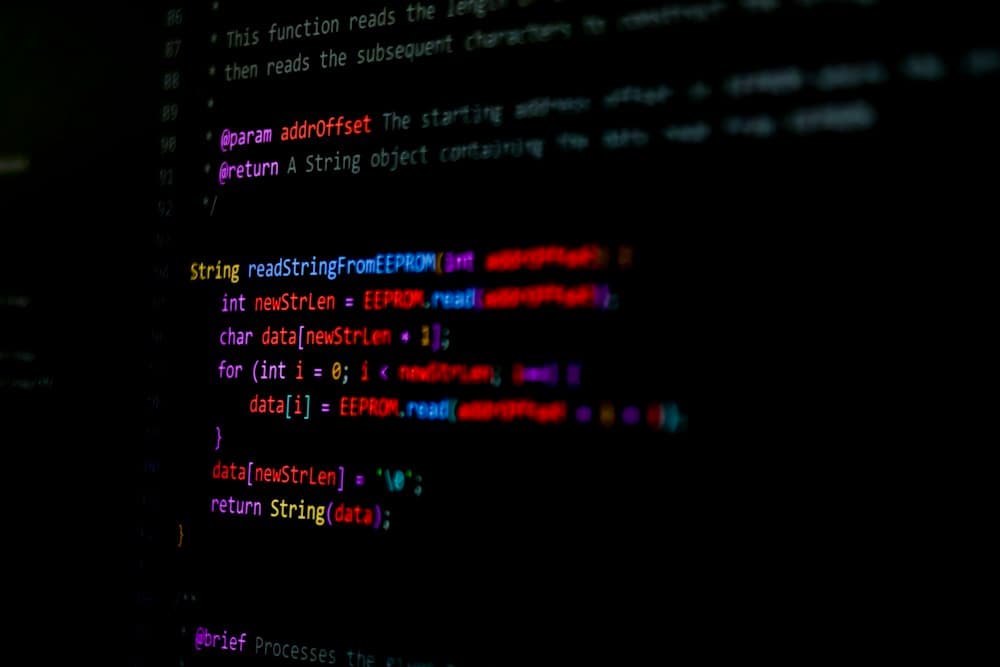
Almost every business now needs a website, a web application or both, which is why web development remains one of the most popular skills to learn. Whether it is worth it for you depends on your interest and on how consistently you practise. This guide explains what web developers do, which skills matter and how a beginner can start.
What does a web developer do?
A web developer builds and maintains websites and web applications. That can mean turning a design into a page that works on phones and computers, connecting a page to a database, fixing bugs, and keeping a site fast and secure. Some developers work in companies, some in agencies and some as freelancers.
Frontend, backend and full-stack
Frontend development is everything the visitor sees and uses: layout, text, images, forms and buttons. Backend development is what happens behind the scenes: storing data, handling logins and sending information to the page. Full-stack developers work on both. Beginners usually start with the frontend because the results are visible straight away.
Essential skills and technologies
The foundation is HTML for structure, CSS for design and JavaScript for interaction. After that, you learn how data is stored and retrieved, which means databases such as MySQL, and a server-side language such as PHP, Python or Java. Frameworks are tools built on these languages to speed up common work; learn them once the basics feel comfortable. Alongside the technical skills, learn to read documentation, to search for answers well and to keep track of your changes with version control.
Beginner projects to build
Projects turn knowledge into skill, and they give you something to show employers. Start small: a personal page, a menu or price list for a local shop, a form that checks what the user types, a to-do list, and finally a small site that saves data in a database, such as a student directory. Keep each project finished and working rather than starting many and leaving them half done.
Career paths
Common roles include frontend developer, backend developer, full-stack developer, web designer, and website maintenance or support roles. Some people also move into related areas such as software testing or database work. Pay depends on factors such as your skills, your projects, the city, the size of the employer and your experience, so be careful about anyone who quotes a fixed salary for beginners.
A realistic roadmap
A simple plan looks like this. First, learn HTML and CSS and build two or three pages. Then learn the basics of JavaScript. Next, learn a database and a server-side language. After that, build one larger project that combines everything. Finally, prepare your portfolio, your resume and your interview answers. How long each step takes depends on how many hours you can practise each week, so expect it to take months, not days.
So, is it worth it?
It is worth it if you enjoy solving problems, are willing to keep practising and are happy to keep learning as tools change. It is a poor choice if you are only looking for a quick shortcut to a job, because the work rewards steady effort. At SIPVS, courses on this path include Certificate in HTML (1 month), Certificate in MySQL (2 months), Certificate in Python (3 months) and Certificate in Advance PHP (6 months). Check each syllabus to see exactly what it covers before you decide, and talk to a counsellor if you want help choosing the order.