

How to Write a Professional Email That Gets Taken Seriously
A clear, polite email can open doors. Learn the simple structure of a professional message, with common mistakes to avoid.
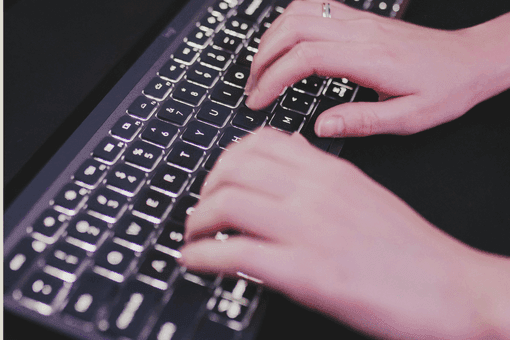
Emails are how many job applications, enquiries and workplace conversations begin. A well-written email shows that you are careful and respectful, and it is far more likely to get a reply. The structure is simple once you know it.
Use a sensible email address
Choose an address based on your name, such as yourname@gmail.com, rather than a nickname. It is one of the first things a reader sees.
Write a clear subject line
The subject should tell the reader what the email is about in a few words. Application for Office Assistant, or Enquiry about the Python course, is much better than Hello or Urgent.
Start with a proper greeting
Address the person by name when you know it, with Dear Mr or Ms and the surname, or Hello followed by the name. If you do not know the name, Dear Sir or Madam is acceptable.
State your purpose early
Put your main point in the first two lines: who you are and why you are writing. Busy people read the opening and decide whether to continue.
Keep it short and organised
Use short paragraphs and, when helpful, a few simple points. Give the information the reader needs, such as dates, course names or job titles, and avoid long stories.
Be polite and neutral in tone
Use please and thank you, and avoid slang, emojis and all capital letters. Read the message once as if you were the receiver and check that it cannot be misunderstood.
Attachments and replies
Mention any attachment in the text, name files clearly such as YourName-Resume.pdf, and check that the file is actually attached before you send. Reply within a day or two when you can.
Close properly
End with a short thank you and your full name, plus a phone number if relevant. Finally, proofread for spelling and grammar. A message that is clear and error-free helps the reader take you seriously.